
There’s a reason why every inspiring desk setup you see online features at least one plant—and usually several. Plants aren’t just decorative accessories for your workspace; they’re functional elements that improve air quality, reduce stress, boost creativity, and create environments where people genuinely want to spend time.
The science backs this up: studies consistently show that workspaces incorporating natural elements increase productivity by up to 15%, reduce stress levels, and improve overall well-being. This isn’t trendy Instagram aesthetics—it’s biophilic design, the practice of connecting people with nature through their built environments.
In this comprehensive guide, I’ll show you how to transform your desk setup into a thriving, plant-filled workspace that enhances both your productivity and your environment. Whether you’re working with abundant natural light or a windowless corner, limited space or an entire home office, you can create a nature-infused workspace that works for your specific situation.
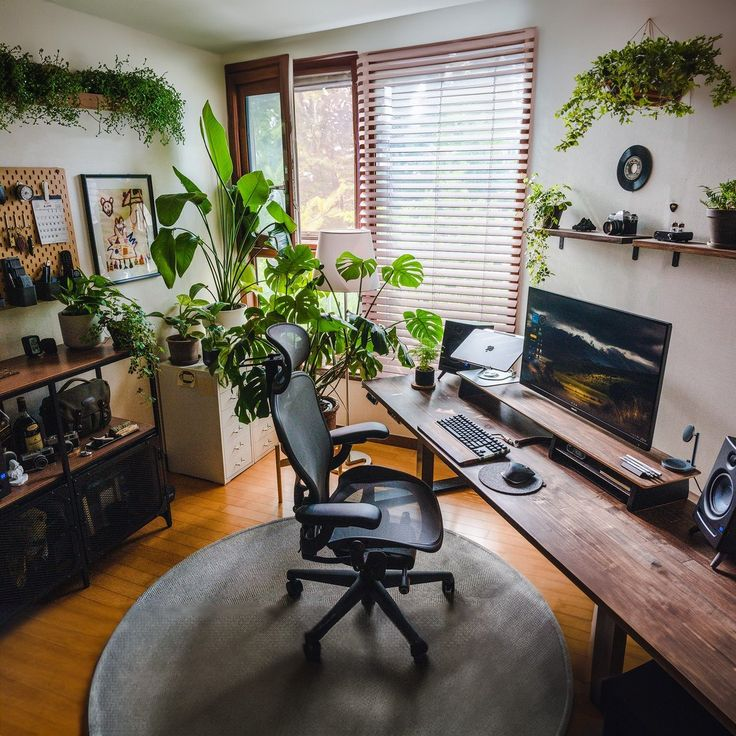
Image: ryanmberry on Pinterest
Understanding Biophilic Design for Workspaces
Biophilic design is the intentional incorporation of nature and natural elements into built spaces. For desk setups, this means more than just adding a succulent—it’s about creating a comprehensive connection to the natural world.
The Three Levels of Biophilic Design:
Direct Nature Contact: Living plants, natural light, water features, and fresh air. These are actual natural elements physically present in your space.
Indirect Nature Contact: Images of nature, natural materials (wood, stone, bamboo), natural colors (greens, browns, earth tones), and organic shapes that evoke nature without being nature itself.
Space and Place: How your workspace relates to its environment—views of nature, connection between indoors and outdoors, and creating spaces that feel sheltered yet connected to the larger world.
For desk setups, we focus primarily on direct nature contact through plants while supporting it with natural materials and thoughtful spatial design.
Why Plants Matter Beyond Aesthetics:
Plants actively improve your workspace environment:
- Remove toxins from air (VOC filtration)
- Increase humidity (preventing dry air issues)
- Reduce background noise through sound absorption
- Lower stress hormones (cortisol reduction)
- Improve concentration and memory retention
- Increase creative problem-solving abilities
- Create psychological restoration during breaks
Understanding these benefits helps you approach plant integration strategically rather than decoratively.
[Small Desk Plants Set Indoor Low Light]
Assessing Your Environment: Light, Space, and Conditions
Before selecting a single plant, evaluate your workspace conditions. Plants are living organisms with specific needs—choosing the right plants for your conditions is the difference between thriving greenery and maintenance frustration.
Light Assessment:
Bright Direct Light (South-facing windows, unobstructed light): Light hits your desk directly for several hours daily. You can feel warmth from the sun. This supports the widest variety of plants including succulents, cacti, and flowering plants.
Bright Indirect Light (East or west-facing windows, filtered light): The room is bright, but direct sunlight doesn’t hit your workspace. Most common office scenario. Supports pothos, philodendrons, monsteras, and many tropical plants.
Medium Light (North-facing windows, artificial office lighting): Enough light to read comfortably without electric lights during the day, but not bright. Supports snake plants, ZZ plants, pothos, and other low-light tolerant species.
Low Light (No windows, artificial light only): Requires electric lighting for visibility throughout the day. Very limited plant options—snake plants, ZZ plants, and possibly pothos are your only real choices.
Pro Tip: Use a light meter app on your smartphone to measure actual light levels (measured in foot-candles or lux). This removes guesswork when selecting plants.
Space Considerations:
Measure your available desk surface, nearby shelving, and floor space within 3-4 feet of your desk (the zone you can easily see and access while working). This determines plant sizing and quantity.
Small desks (under 40 inches): 1-3 small plants Medium desks (40-60 inches): 3-5 plants of varying sizes Large desks (60+ inches): 5-8 plants including larger statement pieces Floor space: Large potted plants or plant stands
Climate Factors:
Consider your workspace temperature and humidity:
- Central heating/AC: Can dry air significantly (add humidity-loving plants)
- Drafty areas: Avoid near heating vents or AC units
- Stable temperature (65-75°F): Ideal for most houseplants
- Humidity levels: Most offices are 30-50%; tropical plants prefer 50-60%
Choosing Plants for Your Desk Setup
Select plants based on your conditions, maintenance willingness, and aesthetic goals. Here’s a comprehensive breakdown by category:
Beginner-Friendly Desk Plants (Near-Impossible to Kill):
Pothos (Epipremnum aureum): Trailing vines with heart-shaped leaves in green, golden, or variegated patterns. Tolerates low to bright indirect light, forgives irregular watering, and grows enthusiastically. Perfect for hanging planters or trailing from shelves above your desk.
Snake Plant (Sansevieria): Architectural, upright leaves that add vertical interest. Survives neglect better than almost any plant. Tolerates low light and needs water only every 2-3 weeks. Modern, sculptural appearance suits minimalist and contemporary desk aesthetics.
[Pothos plant in hanging planter ]
ZZ Plant (Zamioculcas zamiifolia): Glossy, dark green leaves on upright stems. Extremely drought-tolerant, handles low light, and has minimal pest problems. Grows slowly, maintaining size and shape for months without intervention.
Spider Plant (Chlorophytum comosum): Arching leaves with white or cream stripes, produces baby plantlets (“spiders”) on long stems. Excellent air purification, tolerates various light conditions, and propagates easily for gifting or expanding your collection.
Intermediate Desk Plants (Slightly More Care Required):
Monstera Deliciosa (Swiss Cheese Plant): Large, fenestrated leaves create dramatic visual impact. Requires bright indirect light and consistent watering. Best as floor plant near desk rather than on desk surface due to size.
Philodendron (Various Species): Heart-shaped or split leaves depending on variety. Most philodendrons are forgiving and adapt well to office conditions. The heartleaf philodendron trails beautifully, while the split-leaf stands upright.
Rubber Plant (Ficus elastica): Large, glossy leaves in green or burgundy. Adds substantial presence without excessive care. Prefers bright indirect light but tolerates medium light. Wipe leaves monthly to maintain shine and photosynthesis efficiency.
Fiddle Leaf Fig (Ficus lyrata): Large, violin-shaped leaves make dramatic statements. More finicky than other options—sensitive to watering changes and light fluctuations. Best for experienced plant owners in stable environments.
Specialty Options for Specific Conditions:
Succulents (Bright Light Required): Echeveria, Haworthia, and Sedum varieties offer compact size and minimal water needs. Require direct sun or very bright indirect light. Perfect for sunny windowsill desks. Water every 10-14 days.
Air Plants (Tillandsia species): No soil required—these plants absorb moisture from air. Display in glass terrariums, mounted on driftwood, or in hanging holders. Soak weekly for 20-30 minutes, then shake dry. Require bright indirect light.
Lucky Bamboo (Dracaena sanderiana): Grows in water rather than soil. Arrange stalks in vases with pebbles. Change water weekly. Tolerates low to medium light. Offers minimalist aesthetic with zero soil mess.
Cacti (Bright Direct Light Required): Various species offer geometric shapes and minimal maintenance. Need very bright light and infrequent watering (every 2-4 weeks). Perfect for southwestern or desert-inspired desk aesthetics.
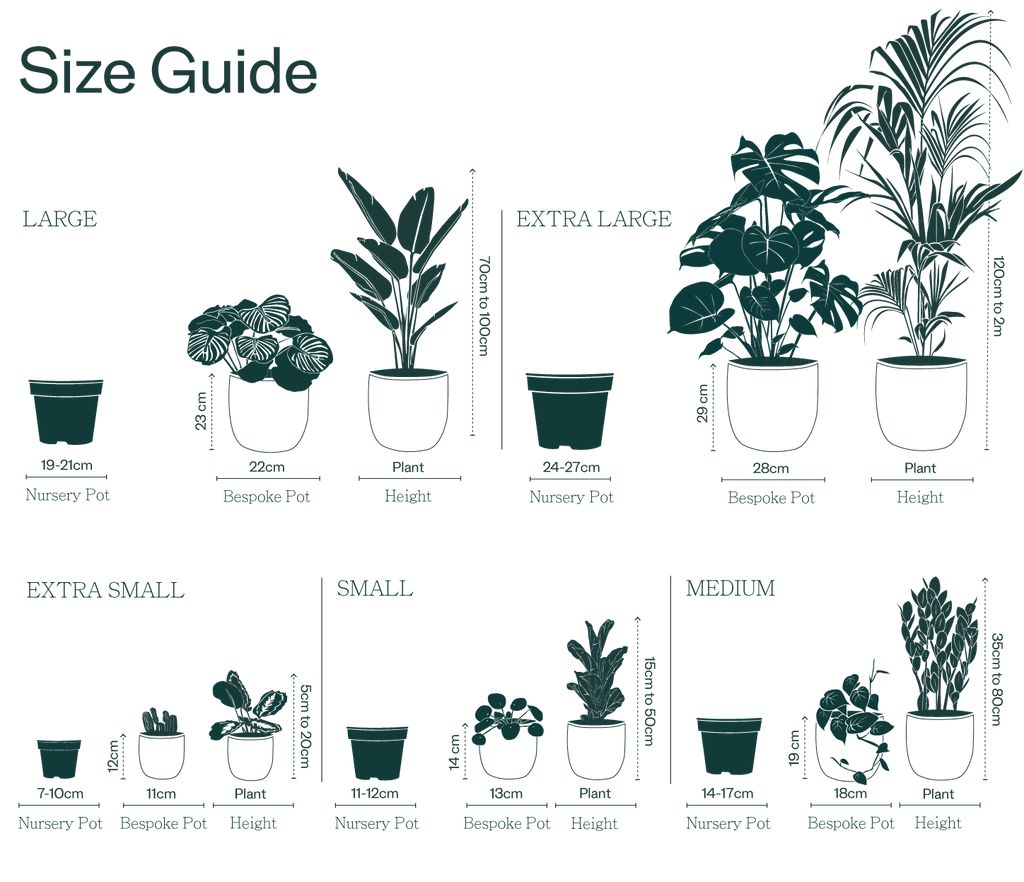
Strategic Plant Placement for Maximum Impact
Thoughtful placement transforms scattered plants into cohesive biophilic design.
The Rule of Three: Group plants in odd numbers (3, 5, 7) with varying heights. This creates visual interest and feels more natural than even numbers or uniform heights.
Height Variation: Combine tall upright plants (snake plants, philodendrons), medium mounding plants (pothos, spider plants), and low spreading plants (succulents, small ferns). This creates depth and mimics natural plant communities.
Placement Zones:
Desktop Surface: Reserve for 1-3 small plants (4-8 inch pots maximum) that don’t obstruct your work or sightlines to your monitor. Place in corners or along the back edge.
[“Small White Ceramic Planters Set with Drainage“]
Behind Monitor: Tall plants positioned behind your monitor create a green backdrop visible during work. This placement is particularly effective for video calls—plants frame you beautifully without cluttering your desk surface.
Side Shelves or Tables: Larger plants on furniture adjacent to your desk extend greenery without consuming valuable work surface. Trailing plants on shelves above your desk create a living canopy effect.
Floor Plants: Large potted plants (10-14 inch pots) positioned beside or behind your desk add substantial green presence. Fiddle leaf figs, monstera, or large rubber plants work well here.
Hanging Plants: Macramé hangers or ceiling hooks allow trailing plants (pothos, string of pearls, spider plants) to cascade without taking desk or floor space. This utilizes vertical space effectively in small setups.
Window Integration: If your desk faces or sits near a window, line the sill with plants that appreciate bright light. This creates a living screen and maximizes light for plant health.
Plant Containers and Planters: Function Meets Aesthetics
The vessels holding your plants contribute significantly to your overall desk aesthetic.
Material Considerations:
Ceramic with Drainage Holes: The gold standard for plant health. Allows proper drainage preventing root rot. Available in countless colors and styles. Requires saucers underneath to catch drainage water.
Terracotta: Porous clay that breathes, preventing overwatering. Develops attractive patina over time. Classic appearance suits many desk aesthetics. Heavy, so best for stationary plants.
Plastic Nursery Pots in Decorative Covers: Practical compromise—plant stays in plastic grower’s pot with drainage, which sits inside decorative cover without holes. Easy to water (remove and drain) and change covers seasonally.
Glass or Transparent Containers: Excellent for water-growing plants (lucky bamboo, pothos cuttings) or air plants. Shows roots and water levels. Creates modern, scientific aesthetic. Not suitable for soil plants without modification.
Woven Baskets: Natural fiber baskets (seagrass, jute, rattan) add organic texture. Require plastic liner or pot inside to prevent water damage. Perfect for boho or natural desk aesthetics.
Self-Watering Planters: Built-in reservoirs provide water to plant roots via wicking. Reduces watering frequency to every 1-2 weeks. Ideal for frequent travelers or forgetful waterers.
Color Coordination:
Monochromatic Approach: All planters in the same color (all white, all terracotta, all black) creates cohesion even with varied plant types. This approach works especially well for minimalist or modern aesthetics.
Natural Materials: Terracotta, wood, bamboo, and woven fiber planters in natural tones create organic, earth-connected environments. Suits Scandinavian, bohemian, and natural aesthetics.
Accent Colors: Choose planter colors that complement your desk aesthetic—sage green for Scandinavian, burgundy for dark academia, bright ceramics for eclectic styles.
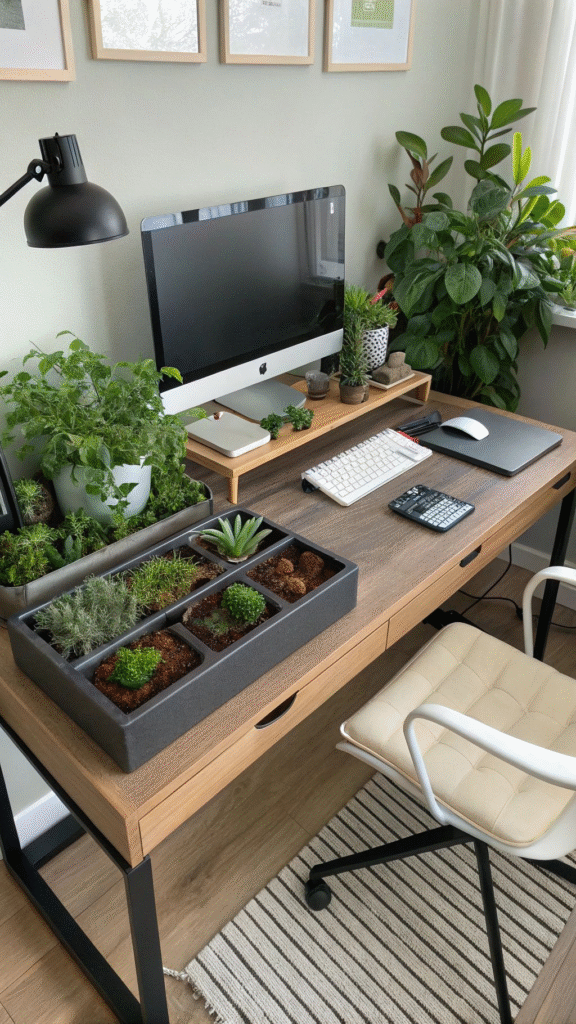
Credit: Courtneys World
Creating Plant Care Routines That Actually Work
The difference between thriving plants and dying plants is consistent, appropriate care. Build routines that integrate seamlessly with your work schedule.
Watering Strategies:
The Calendar Approach: Assign specific days for plant checks. Monday morning: water tropical plants. Thursday: check succulents. Creates rhythm and prevents forgotten plants.
The Finger Test: Insert finger into soil to second knuckle. Dry? Water. Moist? Wait. This simple test prevents both overwatering and underwatering—the two most common plant killers.
Grouping by Water Needs: Cluster plants with similar requirements. Thirsty tropicals together, drought-tolerant succulents together. Water entire groups simultaneously rather than individual plants.
Visual Watering Cues: Learn each plant’s thirst signals. Pothos leaves curl slightly. Snake plant leaves wrinkle. Spider plant tips brown. These cues tell you when water is needed rather than arbitrary schedules.
Humidity Management:
Most office environments are drier than tropical plants prefer. Increase humidity through:
- Pebble trays: Fill shallow trays with pebbles and water, place pots on top (water evaporates, increasing local humidity)
- Grouping plants (plants transpire, creating humid microclimates)
- Small humidifiers positioned near plant clusters
- Regular misting (temporary humidity boost, also cleans leaves)
Feeding Schedule:
Plants in containers need supplemental nutrition. Use liquid fertilizer:
- Growing season (spring/summer): Every 2-4 weeks at half-strength
- Dormant season (fall/winter): Monthly or skip entirely
- Always fertilize damp soil (prevents root burn)
- More isn’t better (over-fertilizing damages plants)
[Indoor Plant Care Kit Fertilizer Mister Tools]
Maintenance Tasks:
Weekly:
- Check soil moisture
- Rotate plants 180° (ensures even growth toward light)
- Remove dead or yellowing leaves
- Check for pests (look under leaves)
Monthly:
- Wipe dust from large leaves with damp cloth
- Trim dead or damaged growth
- Check for rootbound plants needing repotting
- Fertilize during growing season
Seasonally:
- Repot plants showing roots at drainage holes
- Refresh top inch of soil
- Deep clean planters
- Propagate plants for expansion or gifts
Beyond Plants: Additional Natural Elements
Complete biophilic design incorporates multiple natural elements beyond living plants.
Natural Materials:
Wood: Wooden desk surfaces, shelves, organizers, or picture frames bring warmth and organic texture. Natural wood grain patterns are inherently calming.
Stone: Pebbles in plant trays, stone desk accessories, or even a small desktop Zen garden add mineral elements. Smooth river rocks or rough geodes offer different textural experiences.
Bamboo: Fast-growing, sustainable bamboo appears in desk organizers, monitor stands, and small decorative elements. Its linear pattern and neutral color complement plants beautifully.
Cork: Desk mats, coasters, or wall coverings in cork add soft, natural texture while providing functional surface protection.
Natural Fiber Textiles: Jute, linen, or cotton in planters, cable organizers, or desk accessories extend the natural material palette beyond hard surfaces.
Water Features:
Small desktop fountains provide several benefits:
- White noise masking distracting sounds
- Increased humidity for nearby plants
- Visual and auditory connection to nature
- Meditation or stress-relief focal point
Choose fountains with adjustable flow to prevent distraction. Position away from electronics to prevent water damage.
Nature-Inspired Art and Imagery:
Research shows that even images of nature provide measurable stress reduction:
- Large-scale nature photography (forests, mountains, water)
- Botanical prints and illustrations
- Landscape paintings
- Nature-themed abstract art
Natural Light Optimization:
Position your desk to maximize natural light exposure:
- Face windows when possible (reduces screen glare)
- Use sheer curtains to diffuse harsh direct sun
- Supplement with full-spectrum desk lamps mimicking daylight
- Keep windows clean (dirty windows reduce light 30-40%)
Fresh Air Circulation:
When weather permits, open windows near your desk. Fresh air circulation:
- Improves oxygen levels
- Removes stagnant air and VOCs
- Connects you to outdoor environments
- Benefits plant health
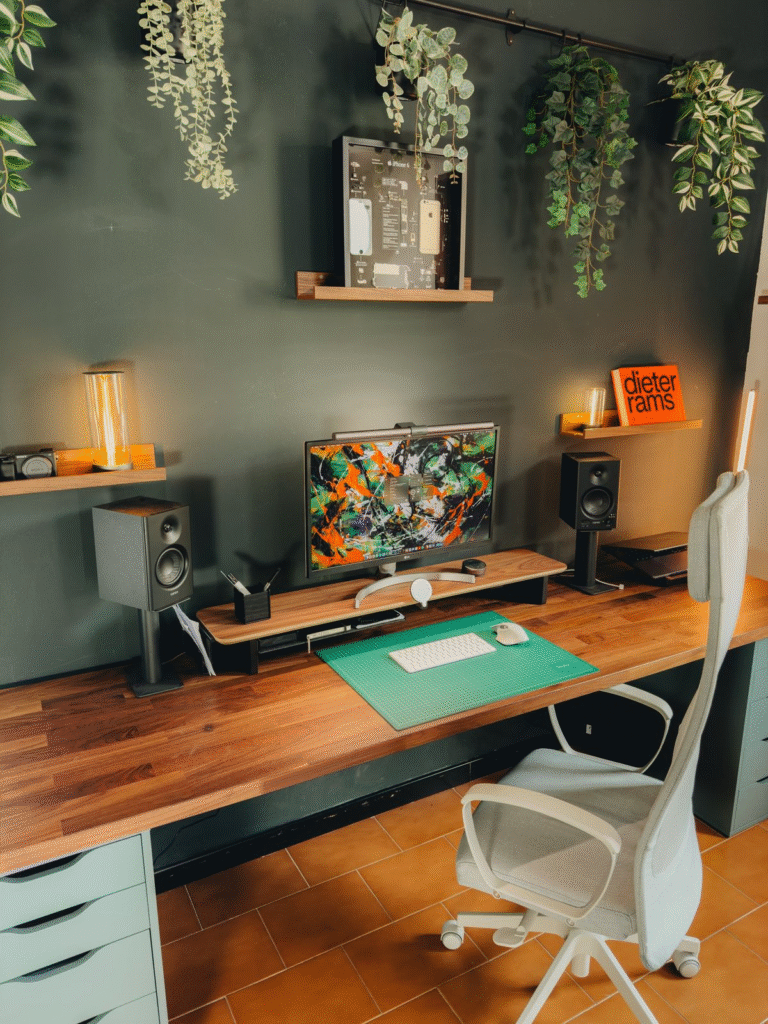
Troubleshooting Common Plant Problems
Even with good care, issues arise. Identifying problems early prevents plant loss.
Yellowing Leaves: Most often indicates overwatering. Reduce watering frequency. Ensure proper drainage. Could also signal nutrient deficiency (fertilize) or natural aging of lowest leaves (normal, remove them).
Brown Leaf Tips: Usually low humidity or inconsistent watering. Increase humidity through methods mentioned earlier. Establish more consistent watering schedule. Could also indicate fluoride in tap water (use filtered water).
Leggy Growth (Long Stems, Sparse Leaves): Insufficient light. Plant stretches toward light source, producing weak growth. Move to brighter location or supplement with grow lights.
Dropping Leaves: Stress response from environmental changes, drafts, or watering issues. Identify recent changes and adjust. Some leaf drop when plants move locations is normal—allow 2-3 weeks to acclimate.
Pests (Spider Mites, Mealybugs, Aphids): Isolate affected plant immediately. Wipe leaves with diluted dish soap solution. Spray with neem oil. Check other plants for spread. Ensure proper humidity (dry air encourages spider mites).
No Growth: Plants in wrong light conditions, need fertilizer, or are rootbound. Assess light first. If adequate, fertilize. If still not growing, check if roots are coming through drainage holes (time to repot).
Creating Themed Plant Setups
Plants can reinforce and enhance your overall desk aesthetic.
Minimalist Modern:
- Emphasis on plant architecture over quantity
- Single large statement plant (monstera, fiddle leaf fig)
- Monochromatic white or concrete planters
- Clean lines and negative space
Bohemian Jungle:
- Maximum greenery, every surface
- Hanging plants, trailing vines
- Macramé hangers and woven baskets
- Mix of textures and species
Scandinavian Natural:
- 3-5 carefully chosen plants
- Light wood and white ceramic planters
- Emphasis on simplicity and function
- Pothos, snake plants, rubber plants
Desert Minimalism:
- Succulents and cacti exclusively
- Terracotta or cement planters
- Geometric shapes and symmetry
- Requires bright light
Dark Academia:
- Ferns, ivy, trailing plants
- Dark ceramic or vintage brass planters
- Overgrown, romantic aesthetic
- Tolerates lower light conditions
Tropical Paradise:
- Large-leaved plants (monstera, philodendron, bird of paradise)
- Bold, lush greenery
- Bright colored or tropical-print planters
- Requires higher humidity
Seasonal Considerations for Indoor Plants
Plants respond to seasonal changes even indoors. Adjust care accordingly.
Spring (Growth Season Begins):
- Increase watering frequency
- Begin regular fertilization
- Repot rootbound plants
- Propagate for new plants
Summer (Peak Growth):
- Maximum watering and feeding
- Protect from intense direct sun (can scorch leaves)
- Increase humidity in AC-cooled spaces
- Monitor for pests (more active in warm months)
Fall (Growth Slows):
- Reduce watering gradually
- Decrease fertilizer frequency
- Bring any outdoor plants inside before frost
- Prepare for lower light levels ahead
Winter (Dormancy Period):
- Minimal watering (soil dries slower in cold)
- Stop or greatly reduce fertilizer
- Watch for drafts from heating vents
- Supplement with grow lights if days are very short
- Don’t repot (wait until spring)
Propagation: Expanding Your Green Collection
Most desk plants propagate easily, allowing you to expand your collection or share with others.
Water Propagation (Easiest Method): Cut 4-6 inch stem sections below leaf nodes. Remove lower leaves. Place in water with nodes submerged. Change water weekly. Roots develop in 2-4 weeks. Pot when roots are 2+ inches long.
Works for: Pothos, philodendron, spider plant babies, some succulents
Soil Propagation: Plant stem cuttings directly in moist soil. Keep humid (cover with plastic bag). Roots develop in 3-6 weeks.
Works for: Most plants, required for some succulents and cacti
Division: Remove plant from pot. Gently separate into sections with roots attached. Pot each section separately.
Works for: Snake plants, spider plants, many ferns
[“Plant Propagation Station Glass Vases Wood Stand“]
Long-Term Success: Growing With Your Plants
Your relationship with workspace plants evolves over time. What begins as decoration becomes genuine care and connection.
Setting Realistic Expectations: Not every plant will thrive. Some won’t suit your conditions. Others may decline for unknown reasons. This is normal. Learn from losses and adjust.
Building Knowledge: Research your specific plants. Understand their natural habitats. This context helps you provide appropriate care.
Observing Changes: Spend a few seconds daily observing your plants. You’ll notice problems early and learn each plant’s patterns and preferences.
Embracing Growth: Plants change over time—growing, trailing, branching. This dynamism is part of their appeal. Your workspace evolves with them.
Conclusion: Cultivating Your Living Workspace
Incorporating plants into your desk setup is more than aesthetic enhancement—it’s creating an environment that supports your well-being, productivity, and connection to the natural world. The presence of living things in your workspace creates dynamic, breathing spaces that feel fundamentally different from sterile, plant-free desks.
Start simply. Choose one or two plants suited to your conditions. Learn their needs. Watch them respond to your care. As confidence grows, expand your collection thoughtfully, always prioritizing plant health over quantity.
Your workspace should evolve organically, growing and changing as you learn what works in your specific environment. The goal isn’t perfection—it’s creating a space where both you and your plants can thrive together.